


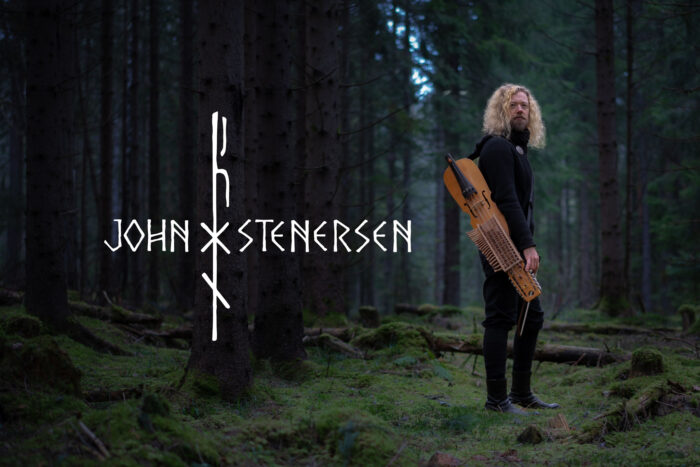
Over the past few months, I’ve had the pleasure of speaking with several Norwegian musicians who, after years of contributing to acclaimed ensembles, are now stepping into the spotlight with deeply personal artistic projects. Following my conversation with Kjell Braaten (news coming soon), meeting John Stenersen backstage at Tons of Rock 2026 felt like another chapter in the same story – artists choosing the right moment to reveal music they have carried within themselves for years.
John Stenersen is no stranger to audiences who follow Nordic music. Many know him through his work with Wardruna, Gåte and Bergtatt, yet behind the scenes he has spent the last fifteen years quietly shaping a musical world of his own. With the support of ByNorse, that vision is finally becoming reality, introducing listeners to a project where ancient Nordic instruments, contemporary composition and cinematic storytelling meet.
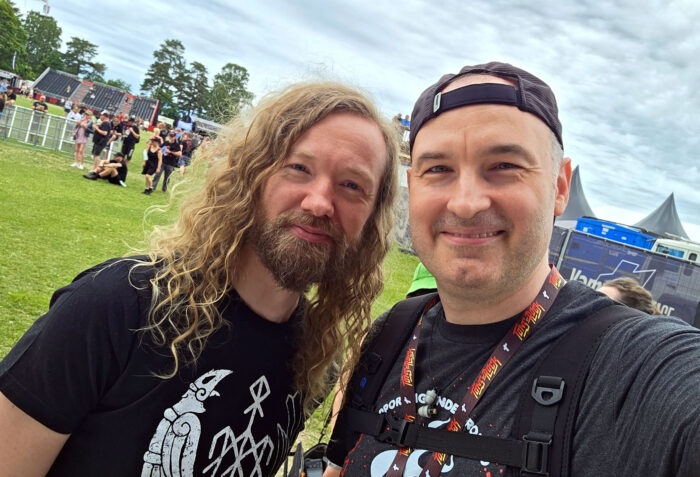
Before Eivør took the stage at Tons of Rock, John and I had the chance to meet for a couple of minutes and seeing the news from ByNorse really caught my interest. That conversation sparked my curiosity about the artist behind the collaborations – the composer, multi-instrumentalist and storyteller whose work extends far beyond the stages where many first discovered him.

In this interview, I hope to explore his upcoming solo project, his excitement surrounding the long-awaited release, and the creative journey that led him to this moment. But also about the years of patience, experimentation and personal growth that shaped his music, to better understand how tradition can be reimagined without losing its soul. Let’s discover together what it truly means to step forward under his own name after helping define the sound of so many remarkable projects.
Interview
Cezar: John, thank you very much for taking the time to do this interview. It was a pleasure meeting you backstage at Tons of Rock before Eivør’s performance. Congratulations on finally unveiling a project you’ve nurtured for so many years. To begin, how are you feeling now that this long-held vision is about to be shared with the world?
John: It was great meeting you at Tons of Rock too! Honestly, it feels amazing but also like the timing is exactly right. I’ve actually been working on this on and off for about 17 years now. The project has been fully ready for many years, just laying in a drawer waiting for the right moment to be released. Now that it’s finally out there, and seeing the incredible response it got when I debuted it live at Midgardsblot, I just feel a deep sense of relief and happiness. It went exactly as well as I had hoped for.
Cezar: For many people you’re instantly recognizable as a member of Wardruna, but your solo project has actually been evolving quietly for fifteen years. Was there ever a point where you wondered if it would remain a private project forever?
John: The thought of doing something solo actually started all the way back on my first summer tour with my band Bergtatt in 2009, where we included some instrumental songs featuring the nyckelharpa. For every song I learned or composed after that, I always had this solo project in the back of my mind. I never really worried about it staying hidden forever because I always knew I wanted to release it, it was just a matter of when. Waiting paid off, because far more people know who I am now through my work with Wardruna, making it much easier to get attention around this music than it would have been back then.
Cezar: You’ve spent years helping shape the sound of other artists and bands. How different does it feel when every creative decision – from the first note to the final mix – rests entirely on your own shoulders?
John: It is completely different. When you’re in a band, you have people to lean on. Standing on stage alone, or being the sole person making the calls in the studio, means if anything goes wrong, you are 100% responsible for everything. It’s also incredibly liberating because the final result is 100% true to my original vision. But I like that, I trust my taste and I hope others will like it too.
Cezar: Your website reveals an impressive musical universe beyond the nyckelharpa: moraharpa, hurdy-gurdy, tagelharpa, film scores, theatre, video games… Do you see yourself first as an instrumentalist, a composer, or simply a storyteller who happens to use music?
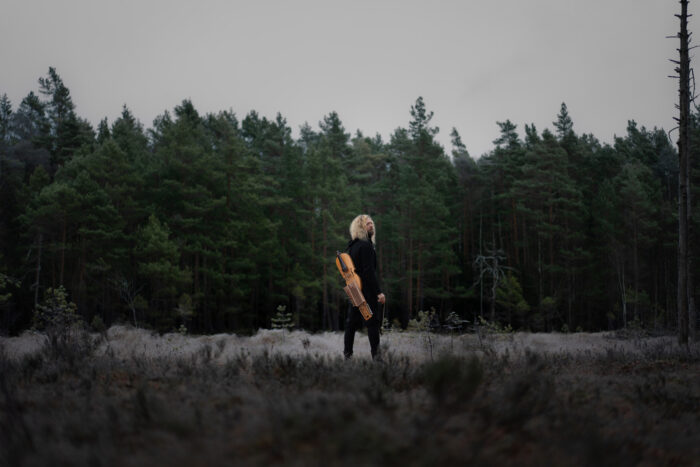
John: I see myself as a mix of all three, but composing is deeply rooted in me. I’ve been composing music on different instruments since I was 14 years old. When I pick up traditional instruments like the nyckelharpa, moraharpa, or tagelharpa, I’m not just trying to play a tune, I’m trying to build a specific atmosphere. Even though my solo album is entirely instrumental, the music definitely tells a story. Through the dark arrangements and the visual drone shots of nature I use on stage, I’m trying to paint a picture and take the listener on a journey.
Cezar: The nyckelharpa is often associated with slow, contemplative Nordic folk music, yet your new material is described as dark, energetic and even danceable. Was challenging those expectations one of your goals, or were you trying to breathe new life into old traditions?
John: My main goal was simply to make the kind of music I want to hear myself. I’ve always listened to dark music, so creating a darker, heavier atmosphere felt entirely natural to me. When I first heard the nyckelharpa back in 2008, I fell in love with it because it sounded like a deep, dark Hardanger fiddle. Traditional Norwegian tunes like “Tronsgårdhallingen” have always made people want to move, stomp their feet, and dance, but I had never heard them in a dark arrangement. By layering the melodies with frame drums, heavy drones from the hurdy-gurdy and synths, and primitive percussion, I get to honor the roots of the music while coloring it with my own style.
Cezar: Ancient instruments are often treated like museum pieces. Your music feels more like you’re giving them a second life. What do you think these instruments can still say to a modern audience?
John: These instruments have a raw, organic sound that speaks to us. It’s all nature, it’s wood, horse hair, steel and rosin. It touches something inside of us. When you combine the ancient textures of a nyckelharpa or a moraharpa with a deep, dark modern synth drone, it creates something new and timeless. They shouldn’t be locked away in museums. Everyone who uses these traditional songs and instruments are a tradition keeper, keeping the flame alive. These sounds still speak to a modern audience because they connect us to something primal, ancient, and deeply rooted in nature.
Cezar: After spending years in internationally renowned projects, did you ever feel people expected your solo music to sound a certain way? How difficult is it to step outside those expectations without losing what makes you “you”?
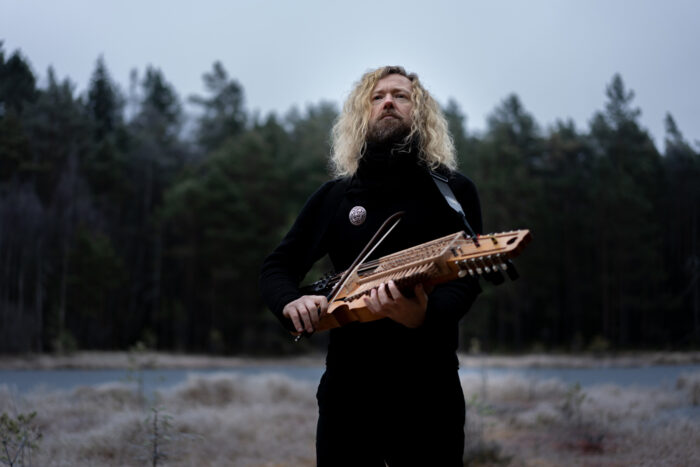
John: Naturally, people who know me from Wardruna might expect a certain sonic landscape, but I don’t find it difficult to step outside of that because this project is inherently me. I am using many of the same old Nordic instruments, but I’ve placed the nyckelharpa in front and center of the project. The arrangements, the specific blend of deep synth drones, the choice of traditional melodies, and the fact that it is completely instrumental makes it unique. It’s 100% the original idea I had years ago, long before I joined Wardruna. None of my songs will ever be mistaken for a Wardruna song, but I still think the people who like Wardruna will like my solo project too. It’s a different tree with roots in the same forest.
Cezar: You’ve composed for theatre, films and games, where the music serves a story. In your solo work, what story are you finally able to tell that couldn’t exist anywhere else?
John: In film or theatre, your music has to serve someone else’s script or visual cues. In my solo project, the music is the script. I’m able to tell the story of my own musical journey and my own roots. I’m starting the project by releasing my own versions of traditional songs to show where I come from, before moving into my own original compositions. It’s a story told purely through atmosphere, tension, and the natural landscapes of Norway. It’s also the story that comes into your mind when you close your eyes and listen to it.
Cezar: By Norse has been your artistic home for years through Wardruna. This time, however, they’re presenting John Stenersen rather than a band. Does that feel more exciting, or more vulnerable?
John: It’s a mix of both. It’s exciting because when the album cover has your own name on it, you can’t hide behind a band identity or a collective concept. It’s just me, my history, my instruments and arrangements. But it is absolutely more vulnerable. I’m very excited to see how it goes.

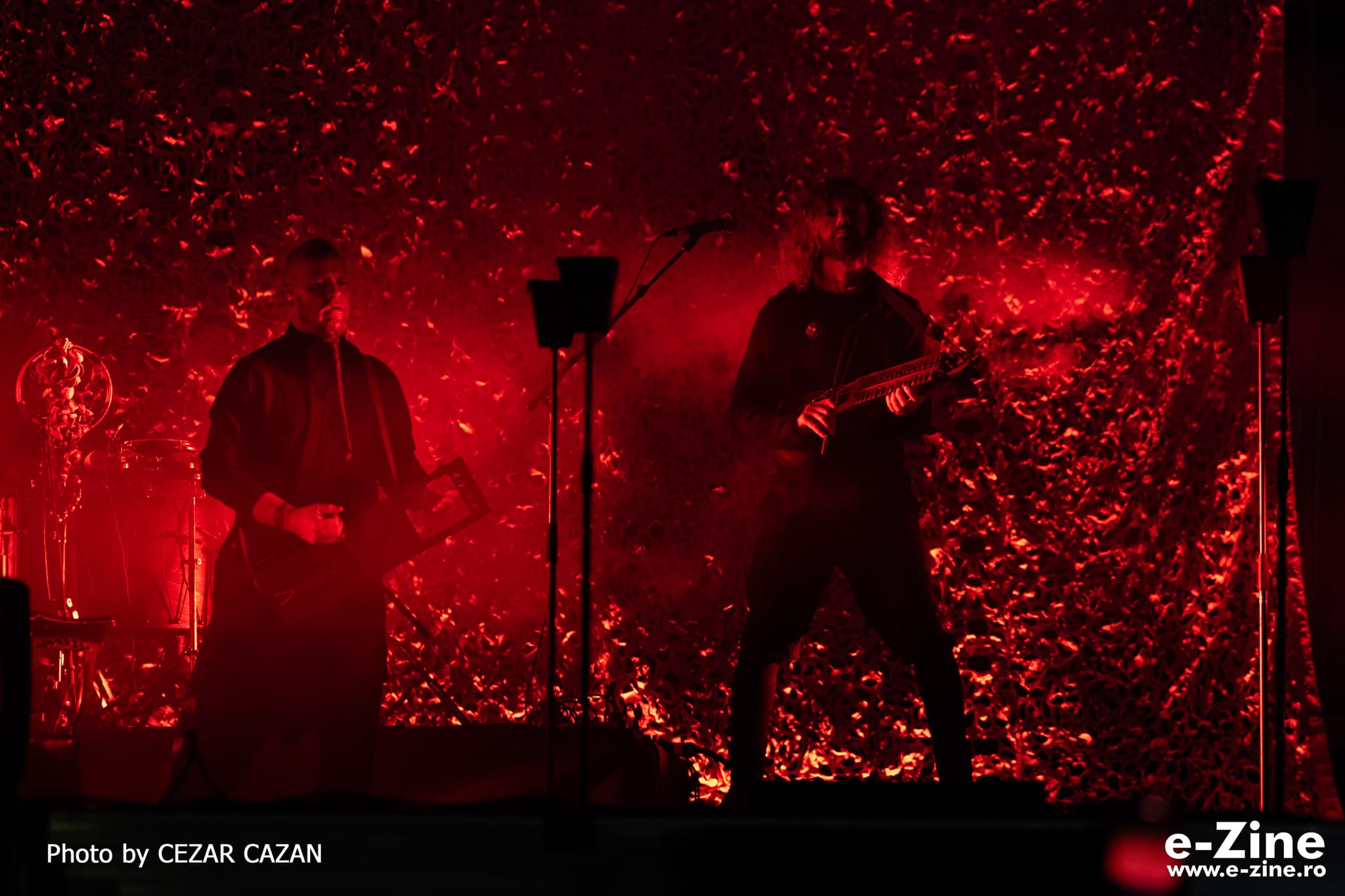
Cezar: Nordic music seems to thrive because so many artists inspire and collaborate with each other. I met you just before Eivør’s performance at Tons of Rock (after many years during which I got the chance to photograph you through my lens with Wardruna), and it’s clear there’s a close creative community around this scene. How important are those artistic friendships in shaping your own music, even when you’re creating something deeply personal?
John: The community is incredibly important. Even when a project is deeply personal, you don’t exist in a vacuum. For example, it was at a festival in 2008 where a Swedish friend first introduced me to the nyckelharpa and showed me the photo that changed everything. My friendships also directly impact the presentation of my music, a close friend of mine shot all the beautiful nature drone footage that I sync to my live backing tracks. He and other friends filmed and edited the upcoming music videos. We all inspire each other, push each other, and support one another’s creative risks.
Cezar: Your instruments produce sounds that many listeners have never heard before. Do you hope people become fascinated by the instruments themselves, or do you hope they simply connect with the music?
John: I hope for both, honestly! When I first saw a photo of the nyckelharpa, I was so fascinated that I drove to Uppsala two weeks later to buy one, despite only getting 15 minutes of instruction before being told “Good luck!” and sent home. It’s a captivating instrument to look at, hear and understand structurally. My unique instruments are the tools I create my musical world with. I want people to feel the music and the atmosphere, to stomp their feet, and to connect with the mood of the tracks regardless if they see the instruments or not.
Cezar: You’ve lived with this project for about fifteen years. Was there ever a moment when inspiration struck in the most unexpected place – a melody that appeared while traveling, a sound you couldn’t get out of your head, or an idea that made you stop everything and grab an instrument?
John: Absolutely. Because I’ve carried this project in the back of my mind for so many years, inspiration would pop up at the strangest times, often while traveling on tour or just being out in nature. Since I didn’t have a formal teacher and largely taught myself these instruments, a lot of my writing comes from just sitting down, experimenting with the instruments, and see what comes forth when I start playing.
Cezar: Midgardsblot seems like the perfect place to launch this project – not just because of its audience, but because it celebrates both heritage and innovation. What does that first release show mean to you personally?
John: Midgardsblot is my absolute favorite Norwegian festival; it has such an incredible vibe. I’ve played there so many times over the years with Bergtatt, Wardruna, and Kalandra. It’s actually where I met Einar Selvik for the first time. Launching my solo project there meant everything to me because I knew the audience truly appreciates this type of music. Seeing people stand in line for over an hour just to get into the Guild Hall, and then watching them dance, clap, and stomp along to the songs was an unforgettable, amazing feeling. The concert went as well as I had hoped for! I’m very happy about it!

Cezar: Imagine you could invite three musicians – living or from history – to join you around a campfire for an informal jam session. Who would you choose, and what do you think each of them would bring to the music?
John: That’s a fantastic thought. First, I would have to invite Myllarguten (Torgeir Augundsson). There are so many legendary stories about him being the greatest Hardanger fiddle (hardingfele) player in Norway’s history. He is said to have had this raw, mesmerizing energy in his playing, and bringing his Hardanger fiddle to the campfire would be incredible.
Next, I’d bring Ole Bull, a true virtuoso of the violin who famously recognized Myllarguten’s genius and brought our traditional music to grand international stages. He would bring a brilliant technical mastery and a deep, shared pride in our heritage.
Finally, I’d invite Edvard Grieg, who was so profoundly inspired by the pairing of those two. Grieg would bring his brilliant mind for harmonies, structure, and atmosphere.
Sitting between the raw folklore of Myllarguten, the grand expression of Ole Bull, and the classical composition of Grieg, we would have the ultimate meeting of tradition and innovation. It would be the perfect environment to explore how we can re-imagine and color these timeless Norwegian themes.
Cezar: Finally, if someone discovers your music without ever hearing Wardruna, Gåte or any of your previous collaborations, what do you hope their first impression of John Stenersen will be?
John: I hope they hear someone who is authentic, fiercely dedicated to his roots, and capable of creating a powerful atmospheric experience. I want them to hear the nyckelharpa not as a relic of the past, but as a living, breathing force. Ultimately, I just hope my music makes them want to move, feel something deep, and discover the incredible wealth of this tradition.
Cezar: Thank you once again, John, for your time and for sharing the story behind this long-awaited project. Before we wrap up, is there anything you’d like to tell our readers? Feel free to share where they can follow your journey, your official website and social media channels, where they’ll be able to listen to your music, whether there will be physical editions or merchandise available, and when and where they can experience the official launch and your first live performances. The floor is yours.
John: Thank you so much, it has been a true pleasure talking with you and looking back on this long journey.
To everyone reading: this project has been waiting in a drawer for a very long time, and I am incredibly excited to finally share it with you all. If you want to follow my journey, find out about upcoming singles, and check out my full musical universe, including my work with films, theatre, and games, you can visit my official website at www.johnstenersen.no. You can also follow my updates on my official YouTube, Facebook and Instagram channels: https://linktr.ee/john_stenersen
My music will be available on all major streaming platforms, beginning with my first single, “Tronsgårdhallingen” which is already released. (see video below)

I just had an amazing, unforgettable official live debut at the Midgardsblot Festival, performing in the incredible atmosphere of the Guild Hall.
For those who missed it, I am currently planning a European tour for 2027. I will be revealing the specific countries and cities on my social media channels, so please stay tuned.
Thank you all for the incredible support, and I hope to see you on the road!
În ultimele câteva luni, am avut plăcerea de a vorbi cu mai mulți muzicieni norvegieni care, după ani de contribuții la ansambluri apreciate, acum pășesc în lumina reflectoarelor cu proiecte artistice profund personale. După conversația mea cu Kjell Braaten (știri în curând), întâlnirea cu John Stenersen în culisele Tons of Rock 2026 a fost ca un alt capitol în aceeași poveste – artisti alegând momentul potrivit pentru a dezvălui muzica pe care au purtat-o în ei timp de ani de zile.
John Stenersen nu este un străin pentru publicul care urmărește muzica nordică. Mulți îl cunosc prin munca sa cu Wardruna, Gåte și Bergtatt, dar în culise a petrecut ultimii cincisprezece ani modelând în tăcere o lume muzicală proprie. Cu sprijinul ByNorse, acea viziune a devenit în sfârșit o realitate, prezentând ascultătorilor un proiect în care instrumentele nordice antice, compoziția contemporană și povestirea cinematografică se împletesc perfect.
Înainte ca Eivør să urce pe scenă la Tons of Rock, am avut ocazia să mă întâlnesc și să discut pentru câteva minute cu John, iar știrile de la ByNorse mi-au captat cu adevărat interesul despre proiectul său. Acea conversație mi-a stârnit curiozitatea despre artistul din spatele colaborărilor – compozitorul, multi-instrumentistul și povestitorul al cărui lucru se extinde mult dincolo de scenele unde mulți l-au descoperit pentru prima dată.
În acest interviu, sper să explorez proiectul său solo viitor, entuziasmul său din jurul lansării mult-așteptate, dar și călătoria creativă care l-a condus la acest moment. Dar și despre anii de răbdare, experimentare și creștere personală care i-au modelat muzica, pentru a înțelege mai bine cum tradiția poate fi reimaginată fără a-și pierde sufletul. Să descoperim împreună ce înseamnă cu adevărat să pășești înainte sub propriul nume după ce ai ajutat la definirea sunetului atâtor proiecte remarcabile.
Interviu
Cezar: John, îți mulțumesc foarte mult pentru că ți-ai făcut timp pentru acest interviu. A fost o plăcere să te întâlnesc în culise la Tons of Rock înainte de concertul Eivør. Felicitări pentru că în sfârșit ai dezvăluit un proiect pe care l-ai îngrijit timp de atât de mulți ani. Pentru a începe, cum te simți acum că această viziune îndelung dezvoltată este pe cale să fie împărtășită lumii?
John: A fost grozav să te întâlnesc la Tons of Rock! Sincer, se simte uimitor, dar și că momentul a fost exact la fix. De fapt, lucrez la asta, din când în când, de aproximativ 17 ani. Proiectul a fost complet gata de ceva ani, doar așteptând în sertar momentul potrivit pentru a fi lansat. Acum că este în sfârșit lansat, și văzând răspunsul incredibil pe care l-a primit când l-am prezentat live la Midgardsblot, simt doar un profund sentiment de ușurare și fericire. A mers exact așa cum speram.
Cezar: Pentru mulți oameni ești imediat recunoscut ca un membru al trupei Wardruna, dar proiectul tău solo a evoluat de fapt, în tăcere, timp de cincisprezece ani. A fost vreodată un moment în care te-ai întrebat dacă va rămâne un proiect privat pentru totdeauna?
John: Gândul de a face ceva solo a început de fapt încă de la primul meu turneu de vară cu trupa mea Bergtatt, în 2009, unde am inclus câteva melodii instrumentale cântate la nyckelharpa. Pentru fiecare melodie pe care am învățat-o sau pe care am compus-o după aceea, am avut întotdeauna acest proiect solo în minte. Nu m-am îngrijorat niciodată că va rămâne ascuns pentru totdeauna pentru că am știut mereu că vreau să-l public, era doar o chestiune de când (îl voi publica). Așteptarea a dat roade, pentru că mult mai mulți oameni știu cine sunt acum prin munca mea cu Wardruna, făcând mult mai ușor să atrag atenția asupra acestei muzici decât ar fi fost atunci.
Cezar: Ai petrecut ani de zile ajutând la conturarea sunetului altor artiști și trupe. Cât de diferit se simte când fiecare decizie creativă – de la prima notă până la mixajul final – stă complet pe umerii tăi?
John: Este complet diferit. Când ești într-o trupă, ai oameni pe care te poți baza. Stând pe scenă singur, sau fiind singura persoană care ia deciziile în studio, înseamnă că, dacă ceva merge prost, ești 100% responsabil pentru tot. Este de asemenea incredibil de eliberator pentru că rezultatul final este 100% fidel viziunii mele originale. Dar îmi place asta, am încredere în gustul meu și sper că și altora le va plăcea.
Cezar: Site-ul tău dezvăluie un univers muzical impresionant dincolo de nyckelharpa: moraharpa, hurdy-gurdy, tagelharpa, coloane sonore de film, teatru, jocuri video… Te vezi mai întâi ca un instrumentist, un compozitor sau pur și simplu ca un povestitor care se exprimă prin muzică?
John: Mă văd ca un amestec din toate cele trei, dar partea de compoziție este adânc înrădăcinată în mine. Compun muzică pe diferite instrumente de la 14 ani. Când iau instrumente tradiționale precum nyckelharpa, moraharpa sau tagelharpa, nu încerc doar să cânt o melodie, ci încerc să construiesc o atmosferă specifică. Chiar dacă albumul meu solo este complet instrumental, muzica spune cu siguranță o poveste. Prin aranjamentele întunecate și cadrele vizuale din dronă cu natura pe care le folosesc pe scenă, încerc să pictez o imagine și să duc ascultătorul într-o călătorie.
Cezar: Nyckelharpa este adesea asociată cu muzica populară nordică lentă și contemplativă, totuși noul tău material este descris ca fiind întunecat, energic și chiar dansabil. A fost provocarea acestor așteptări unul dintre obiectivele tale, sau ai încercat să insufli o nouă viață tradițiilor vechi?
John: Scopul meu principal a fost pur și simplu să fac muzica pe care vreau să o aud eu însumi. Am ascultat întotdeauna muzică întunecată (dark), așadar crearea unei atmosfere mai întunecate și mai grele mi s-a părut complet naturală. Când am auzit pentru prima dată nyckelharpa în 2008, m-am îndrăgostit de ea pentru că suna ca o vioară Hardanger profundă și întunecată. Melodiile tradiționale norvegiene precum “Tronsgårdhallingen” au făcut întotdeauna oamenii să vrea să se miște, să bată din picioare și să danseze, dar nu le-am auzit niciodată într-o aranjament dark / întunecat. Prin suprapunerea melodiilor cu tobe tradiționale, drone grele de la hurdy-gurdy și sintetizatoare, și percuție primitivă, reușesc să onorez rădăcinile muzicii în timp ce o colorez cu propriul meu stil.
Cezar: Instrumentele antice sunt adesea tratate ca piese de muzeu. Muzica ta pare mai degrabă că le oferi o a doua viață. Ce crezi că mai pot spune aceste instrumente unui public modern?
John: Aceste instrumente au un sunet brut, organic, care ne vorbește. Este totul o natură, este lemn, păr de cal, oțel și rășină. Atinge ceva în interiorul nostru. Când combini texturile antice ale unei nyckelharpa sau ale unei moraharpa cu un sunet profund, întunecat de sintetizator modern, creezi ceva nou și atemporal. Nu ar trebui să fie închise în muzee. Toți cei care folosesc aceste cântece și instrumente tradiționale sunt păstrători ai tradiției, menținând flacăra vie. Aceste sunete încă vorbesc unei audiențe moderne pentru că ne conectează la ceva primar, antic și profund înrădăcinat în natură.
Cezar: După ce ai petrecut ani de zile în proiecte de renume internațional, ai simțit vreodată că oamenii se așteaptă ca muzica ta solo să sune într-un anumit fel? Cât de dificil este să ieși din acele așteptări fără a pierde ceea ce te face “tu”?
John: În mod natural, oamenii care mă cunosc de la Wardruna s-ar putea aștepta la un anumit peisaj sonor, dar nu mi se pare greu să ies din asta pentru că acest proiect este în mod inerent eu. Folosesc multe dintre aceleași instrumente nordice vechi, dar am plasat nyckelharpa în centrul proiectului. Aranjamentele, amestecul specific de drone sintetizate adânci, alegerea melodiilor tradiționale și faptul că este complet instrumental, îl fac unic. Este 100% ideea originală pe care am avut-o cu ani în urmă, cu mult înainte de a mă alătura trupei Wardruna. Niciuna dintre melodiile mele nu va fi confundată vreodată cu o melodie Wardruna, dar încă sunt convins că oamenilor cărora le place Wardruna vor aprecia și proiectul meu solo. Este un copac diferit cu rădăcini în aceeași pădure.
Cezar: Ai compus pentru teatru, filme și jocuri, unde muzica servește o poveste. În munca ta solo, ce poveste ești în sfârșit capabil să spui care nu ar putea exista nicăieri altundeva?
John: În film sau teatru, muzica ta trebuie să servească scenariul sau indicii vizuale ale altcuiva. În proiectul meu solo, muzica este scenariul. Sunt capabil să spun povestea propriei mele călătorii muzicale și a rădăcinilor mele. Încep proiectul prin lansarea propriilor versiuni ale melodiilor tradiționale pentru a arăta de unde vin, înainte de a trece la compozițiile mele originale. Este o poveste spusă pur prin atmosferă, tensiune și peisajele naturale ale Norvegiei. Este, de asemenea, povestea care îți vine în minte când închizi ochii și o asculți.
Cezar: ByNorse a fost casa ta artistică timp de ani de zile prin Wardruna. De data aceasta, totuși, ei îl prezintă pe John Stenersen, mai degrabă decât pe o altă trupă. Se simte asta mai palpitant sau mai vulnerabil?
John: Este o combinație între ambele. Este palpitant pentru că atunci când coperta albumului are numele tău pe ea, nu te poți ascunde în spatele unei identități de trupă sau a unui concept colectiv. Sunt doar eu, istoria mea, instrumentele și aranjamentele mele. Dar este cu siguranță mult mai vulnerabil. Sunt foarte entuziasmat să văd cum decurge totul.
Cezar: Muzica nordică pare să prospere deoarece atât de mulți artiști se inspiră și colaborează unii cu alții. Te-am întâlnit chiar înainte de concertul Eivør de la Tons of Rock (după mulți ani în care am avut ocazia să te fotografiez prin obiectivul meu cu Wardruna), și este clar că există o comunitate creativă strânsă în jurul acestei scene. Cât de importante sunt acele prietenii artistice în conturarea propriei tale muzici, chiar și atunci când creezi ceva profund personal?
John: Comunitatea este incredibil de importantă. Chiar și atunci când un proiect este profund personal, nu exiști într-un vid. De exemplu, am fost la un festival în 2008 unde un prieten suedez mi-a prezentat pentru prima dată nyckelharpa și mi-a arătat fotografia care a schimbat totul. Prieteniile mele au, de asemenea, un impact direct asupra prezentării muzicii mele, un prieten apropiat de-al meu a filmat toate imaginile frumoase cu drone din natură pe care le sincronizez cu piesele mele live. El și alți prieteni au filmat și editat videoclipurile muzicale care urmează. Ne inspirăm cu toții unii pe alții, ne împingem unii pe alții și ne susținem riscurile creative.
Cezar: Instrumentele tale produc sunete pe care mulți ascultători nu le-au auzit niciodată înainte. Speri ca oamenii să devină fascinați de instrumente în sine, sau speri că pur și simplu se vor conecta cu muzica?
John: Sper la ambele, sincer! Când am văzut prima dată o fotografie cu nyckelharpa, am fost atât de fascinat încât am condus până la Uppsala, două săptămâni mai târziu, pentru a cumpăra una, în ciuda faptului că am primit doar 15 minute de instrucțiuni înainte să mi se spună “Mult noroc!” și să fiu trimis acasă. Este un instrument captivant de privit, de auzit și de înțeles structural. Instrumentele mele unice sunt uneltele cu care îmi creez lumea muzicală. Vreau ca oamenii să simtă muzica și atmosfera, să bată din picioare și să se conecteze cu starea pieselor, indiferent dacă văd instrumentele sau nu.
Cezar: Ai trăit cu acest proiect timp de aproximativ cincisprezece ani. A fost vreun moment când inspirația te-a lovit în cel mai neașteptat loc – o melodie care a apărut în timpul călătoriei, un sunet pe care nu l-ai putut scoate din cap sau o idee care te-a făcut să oprești totul și să iei un instrument?
John: Absolut. Pentru că am purtat acest proiect în minte timp de atâția ani, inspirația apărea în cele mai ciudate momente, adesea în timpul turneelor sau pur și simplu fiind în natură. Deoarece nu am avut un profesor formal și m-am învățat în mare parte singur aceste instrumente, o mare parte din scrierile mele provin din simpla așezare, experimentând cu instrumentele și văzând ce iese când încep să cânt.
Cezar: Midgardsblot pare locul perfect pentru a lansa acest proiect – nu doar din cauza publicului său, ci pentru că sărbătorește atât moștenirea, cât și inovația. Ce înseamnă pentru tine personal acel prim semn de lansare?
John: Midgardsblot este festivalul meu norvegian preferat; are o vibrație incredibilă. Am cântat acolo de atât de multe ori de-a lungul anilor cu Bergtatt, Wardruna și Kalandra. De fapt, acolo l-am întâlnit pe Einar Selvik pentru prima dată. Lansarea proiectului meu solo acolo a însemnat totul pentru mine pentru că știam că publicul apreciază cu adevărat acest tip de muzică. A vedea oamenii stând la coadă mai bine de o oră doar pentru a intra în Guild Hall și apoi să-i privesc dansând, aplaudând și bătând din picioare pe melodiile respective a fost un sentiment incredibil, uimitor. Concertul a decurs la fel de bine cum speram! Sunt foarte fericit în legătură cu asta!
Cezar: Imaginează-ți că ai putea invita trei muzicieni – vii sau din istorie – să se alăture ție în jurul unui foc de tabără pentru o sesiune informală de jam. Pe cine ai alege și ce crezi că ar aduce fiecare dintre ei la muzică?
John: Acesta e un gând fantastic! În primul rând, ar trebui să-l invit pe Myllarguten (Torgeir Augundsson). Există atât de multe povești legendare despre el fiind cel mai mare cântăreț de vioară Hardanger (hardingfele) din istoria Norvegiei. Se spune că a avut această energie brută, hipnotizantă în interpretarea sa, iar aducerea viorii sale Hardanger la focul de tabără ar fi incredibilă.
Următorul, l-aș aduce pe Ole Bull, un adevărat virtuoz al viorii care a recunoscut faimos geniul lui Myllarguten și a adus muzica noastră tradițională pe mari scene internaționale. El ar aduce o stăpânire tehnică strălucitoare și o mândrie profundă, împărtășită în patrimoniul nostru.
În cele din urmă, l-aș invita pe Edvard Grieg, care a fost atât de profund inspirat de asocierea celor doi. Grieg ar aduce mintea sa strălucitoare pentru armonii, structură și atmosferă.
Stând între folclorul brut al lui Myllarguten, expresia grandioasă a lui Ole Bull și compoziția clasică a lui Grieg, am avea întâlnirea supremă între tradiție și inovație. Ar fi mediu perfect pentru a explora cum putem reimagina și colora aceste teme norvegiene atemporale.
Cezar: În cele din urmă, dacă cineva descoperă muzica ta fără să fi auzit vreodată de Wardruna, Gåte sau de oricare dintre colaborările tale anterioare, ce speri că va fi prima lor impresie despre John Stenersen?
John: Sper că vor auzi pe cineva care este autentic, dedicat cu fervoare rădăcinilor sale și capabil să creeze o experiență atmosferică puternică. Vreau să audă nyckelharpa nu ca pe un relicvar al trecutului, ci ca pe o forță vie și respirabilă. În cele din urmă, sper doar ca muzica mea să îi facă să vrea să se miște, să simtă ceva profund și să descopere bogăția incredibilă a acestei tradiții.
Cezar: Îți mulțumesc încă o dată, John, pentru timpul tău și pentru că ai împărtășit povestea din spatele acestui proiect așteptat de mult. Înainte să încheiem, există ceva ce ai dori să le spui cititorilor noștri? Te rog să împărtășești unde pot urmări călătoria ta, site-ul tău oficial și canalele tale de social media, unde vor putea asculta muzica ta, dacă vor exista ediții fizice sau produse disponibile, și când și unde pot experimenta lansarea oficială și primele tale spectacole live.
John: Îți mulțumesc foarte mult, a fost o adevărată plăcere să vorbesc cu tine și să privesc înapoi la această lungă călătorie.
Pentru toți cei care citesc: acest proiect a așteptat într-un sertar pentru o perioadă foarte lungă de timp și sunt incredibil de încântat să-l împărtășesc în sfârșit cu voi toți. Dacă doriți să urmăriți călătoria mea, să aflați despre viitoarele single-uri și să explorați întregul meu univers muzical, inclusiv munca mea cu filme, teatru și jocuri, puteți vizita site-ul meu oficial la www.johnstenersen.no. De asemenea, puteți urmări actualizările mele pe canalele mele oficiale de YouTube, Facebook și Instagram: https://linktr.ee/john_stenersen
Muzica mea va fi disponibilă pe toate platformele majore de streaming, începând cu primul meu single, “Tronsgårdhallingen” care a fost deja lansat. (vezi videoclipul de mai jos)
Am avut un debut oficial live uimitor și de neuitat la Festivalul Midgardsblot, cântând în atmosfera incredibilă a Guild Hall.
Pentru cei care l-au ratat, în prezent planific un turneu european pentru 2027. Voi dezvălui țările și orașele specifice pe canalele mele de socializare, așa că vă rog să rămâneți conectați.
Vă mulțumesc tuturor pentru sprijinul incredibil și sper să ne vedem pe drum!